Melbourne’s casino floor still pulls a crowd for reasons an online lobby simply can’t replicate – the clatter of chips, the live banter at the baccarat table, the hum of a room deciding its next move in real time. For adults 18+ across Victoria, that’s the genuine appeal. But underneath the atmosphere lies something players care about just as much: how money actually moves. From the cashier window to the ATM limit, withdrawals and deposits shape every session, and a land-based-first operator like this one designs its cashier flow around priorities that differ sharply from offshore sites.
Inside the Melbourne Cashier
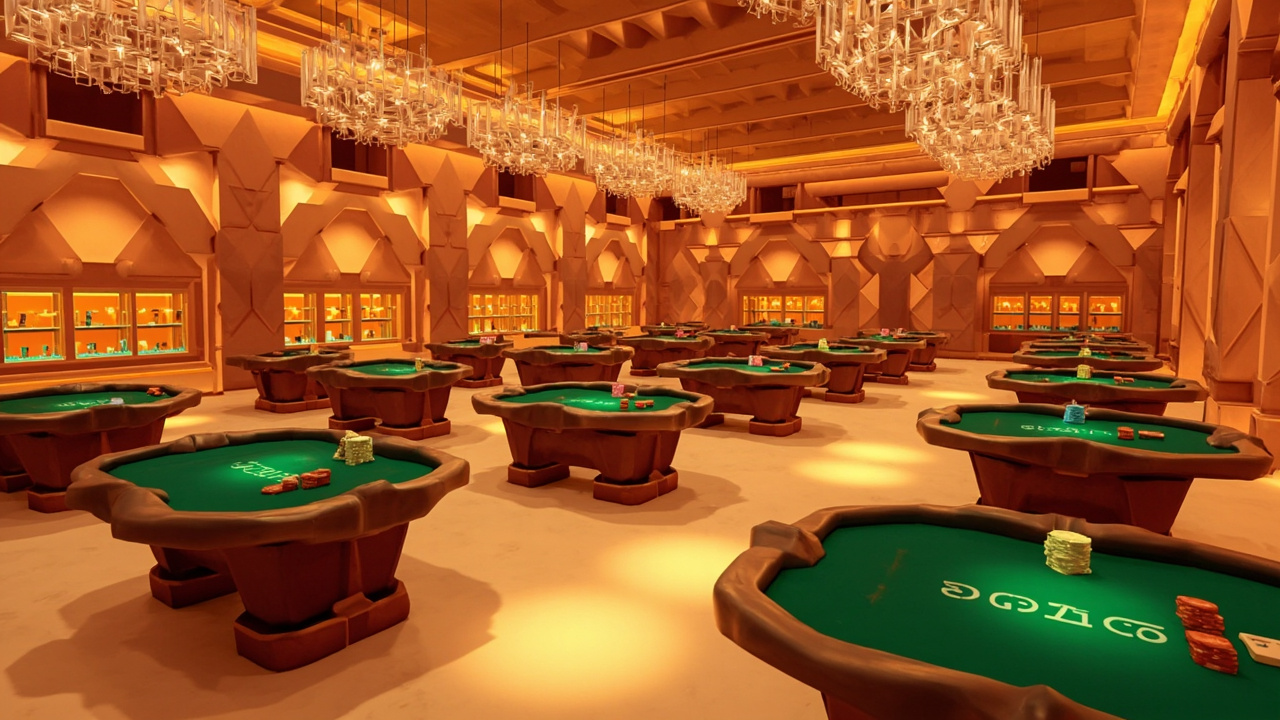
Cash, eftpos, and chips remain the workhorses on the floor, and the cashier cage processes withdrawals in person during operating hours, usually within fifteen minutes once your membership card and photo ID are presented. Daily ATM limits inside the venue typically cap at AUD 1,000 per card per day, and table buy-ins are settled in cash, which keeps the flow simple for anyone who has walked into Crown or another licensed Victorian room. From a venture-builder lens, that’s a deliberately constrained rails system – fewer intermediaries, fewer failure points, but also less flexibility once you’re off-property.
Deposits behave the same way. You walk up, hand over the card or notes, and the cage credits your account or swaps chips on the spot. For locals who treat a Friday night as their main arvo outing, that immediacy is genuinely valuable – no three-day payout window, no offshore processor to chase. The trade-off is geography: if you’re based in Geelong, the South Geelong train into Southern Cross adds close to an hour each way, so the cashier convenience only counts when you’re physically present in the room.
Cashouts follow a similar path, with the cage verifying your ID and handing you your winnings in a matter of minutes. Many players now prefer the convenience of digital wallets, and you can learn more about modern payout options for a smoother experience.
Deposits behave the same way. You walk up, hand over the card or notes, and the cage credits your account or swaps chips on the spot. For a closer look at how these processes compare across venues, see the review at bonusrocketplay.org.
| Cashier Feature | Land Based Casino Melbourne |
|---|---|
| Primary deposit method | Cash and eftpos at the cage |
| Withdrawal processing | In person, typically within 15 minutes |
| Daily ATM limit | AUD 1,000 per card |
| Currency | AUD only |
| Identity verification | Photo ID plus membership card |
Banking Methods and Payment Flow
Deposits and Account Funding
On the floor, funding your play is straightforward. Members tap their card at the cashier, hand over a bank card or notes, and the credits land in their account before the dealer shuffles the next deck. Eftpos is the standard electronic rail, and most Australian debit cards issued by the major four banks process without surcharge inside the venue. The cashier window also handles chip conversions, so a player moving from the gaming machines to the tables can convert paper credit to chips without leaving the room.
For anyone weighing the deposit experience against an offshore online alternative, the contrast is sharp: there’s no third-party e-wallet standing between you and the cage, and no currency conversion eating into a AUD 500 top-up. The downside, defo worth flagging, is that you can’t fund a session remotely – your play starts the moment you arrive and ends when you leave.
Withdrawals, Verification, and Limits
Withdrawals reverse the same path. Present your card, confirm your photo ID, and the cage pays cash on the spot up to the published daily ceiling. Larger wins – anything above the standard limit – require a brief paperwork step, and the cashier may process the balance as a bank transfer rather than cash, depending on the venue’s anti-money-laundering obligations. Verification is built into the membership sign-up itself, so once you’re in the system, the cage already has your details on file.
Processing windows in person are tight compared with online operators, where five-day pending periods still crop up at some sites. Still, the limits are stricter than what a digital wallet can offer offshore, and a player walking out with a AUD 20,000 win will likely see a portion settled via EFT rather than bundled into a paper bag at the door.
Currencies, Cards, and Everyday Practicalities
AUD is the only currency handled at the cage, and there’s no FX margin to worry about for Australian players. International bank cards work but attract the usual conversion fee from your card issuer, so locals using a CommBank or NAB debit card get the cleanest path. EFTPOS terminals sit at both the cashier and most gaming machine banks, and contactless tap is supported on debit transactions up to AUD 200, which covers most casual sessions.
A practical example: imagine a regular from Geelong catching the train up for a Saturday night, budgeting AUD 300 cash. They tap in, convert to chips, play a few hours at the tables, and walk to the cage at midnight with AUD 450 in winnings. The cashier pays out in cash, the member heads home, and the whole money leg of the trip is settled before they reach the platform. Compare that with an offshore cashier’s pending period, and the speed advantage is real – though the trip itself costs the player two hours of travel that no digital site charges.
Player Fit and Final Read
This setup suits a particular kind of punter – someone who treats the venue as the whole experience, not just a way to place a bet. Players who value the social floor, the live tables, and the certainty that AUD 1,000 in hand beats a pending withdrawal in five business days will find the cashier flow genuinely fit for purpose. Anyone who wants to manage their bankroll remotely, or who lives outside the tram belt, will feel the friction of having to show up in person for every transfer in or out.
“Land-based venues solve for trust in a way offshore sites still struggle with – the cashier is the proof,” notes Benjamin Morgan, Marketing Director at Top End Gaming Advisory. His colleague Sienna Bennett, Sports Betting Analyst at Gold Coast Gaming Network, adds a caveat: “The speed is real, but the daily ceiling means high-rollers split sessions across properties, which most casual players don’t realise until they hit the wall.” Daniel Hill, iGaming Regulatory Consultant at Tasman Gaming Partners, rounds it out: “Australian regulation caps what any venue can hand over in cash, so the rails feel tight by design, not by accident.”
Megaways-style configurations aren’t a floor product, but the same payout logic applies – the more paylines a player engages with, the more ways a session can swing in either direction. And while courtsiding – relaying live scores faster than the broadcast – is policed heavily across Australian sporting events, the venue itself has nothing to do with data feeds; it simply enforces its own conduct rules on the floor. For anyone curious about how payout mechanics compare across formats, it’s worth reading how three reel slots handle their own payout structures as a useful counterpoint.
For adults 18+ deciding whether the trip is worth it, the maths is honest: you trade remote convenience for cashier speed, AUD certainty, and a physical room where the chips are real. No worries if that trade suits your style – but reckon on the travel time before you call it a no-brainer.